
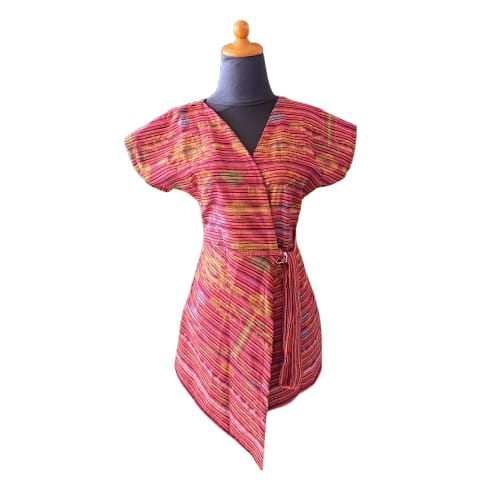
In an era where the fashion industry is often criticized as one of the world’s leading pollutants, a quiet revolution is taking place in the heart of Indonesia’s textile heritage. As the global community pivots toward eco-consciousness, Kainratu a brand deeply rooted in the artistry of traditional weaving (Tenun) is proving that heritage and sustainability are not just compatible; they are inseparable.
By transforming what was once considered “waste” into high value accessories like woven bracelets and wallets, Kainratu is setting a gold standard for Zero Waste Fashion.
The Crisis of Fast Fashion and the Sustainable Alternative
To understand the significance of Kainratu’s mission, one must first look at the staggering impact of the modern garment industry. Every year, millions of tons of fabric scraps are discarded on cutting room floors, eventually ending up in landfills or being incinerated. This linear “take-make-dispose” model is unsustainable.
Sustainable fashion seeks to break this cycle. It demands a holistic approach that considers the environmental footprint, the ethics of production, and the longevity of the product. For Kainratu, sustainability isn’t a marketing buzzword; it is a commitment to honoring the resources provided by the earth and the labor of the artisans who weave them.
Kainratu’s Philosophy: No Thread Left Behind
At the core of Kainratu’s operations is the philosophy of Maximum Utilization. In the production of traditional Tenun clothing such as tunics, shirts, and outer garments the cutting process inevitably leaves behind small, irregular fragments of fabric known as “perca” or textile scraps.

In a conventional factory, these scraps would be swept away as trash. However, Kainratu views these fragments through a different lens. Each scrap of Tenun is a masterpiece of intricate patterns and manual labor that can take weeks to create. To throw them away would be to disrespect the artisan’s craft.
The Art of the Woven Bracelet
One of Kainratu’s signature sustainable moves is the creation of Tenun bracelets. These accessories serve as a perfect example of “Upcycling” the process of transforming a low value byproduct into a product of higher quality or value.

- Design and Durability: By braiding or layering thin strips of leftover woven fabric, Kainratu creates vibrant, durable wristwear.
- Symbolism: Each bracelet carries a piece of Indonesian history, allowing the wearer to carry a fragment of traditional culture in a modern, minimalist form.
The Tenun Wallet: Functional Upcycling
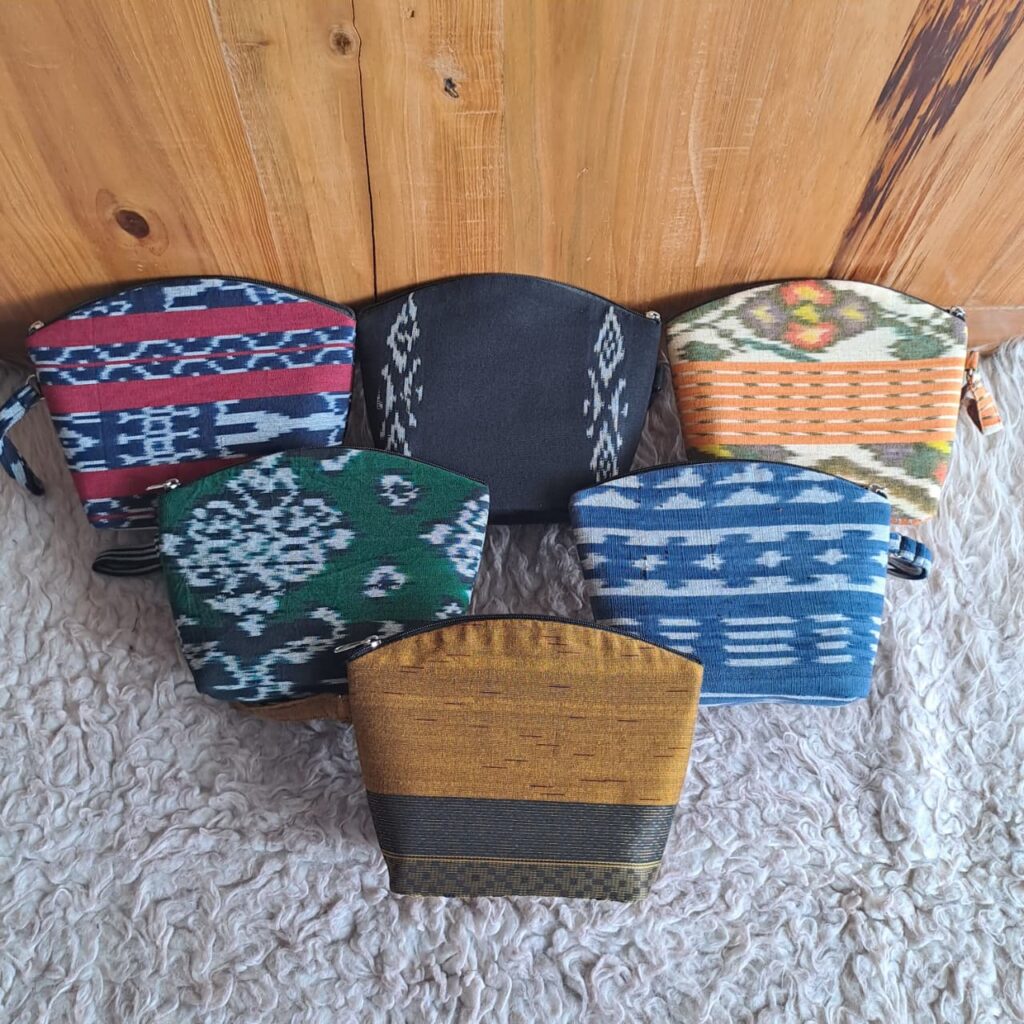
Beyond jewelry, Kainratu utilizes larger scraps to produce Tenun wallets and pouches. These items require precision and a keen eye for pattern matching. By integrating leftover fabric into functional everyday items, the brand ensures that the life cycle of the material is extended by years. These wallets are not just “eco-friendly”; they are unique, as no two items are exactly alike due to the varied nature of the fabric scraps.
Why “Zero Waste” Matters for the Planet
Kainratu’s approach directly addresses several key environmental challenges:
- Landfill Reduction: By ensuring every square inch of fabric is used, the brand significantly reduces the volume of solid waste sent to Indonesian landfills.
- Carbon Footprint Mitigation: Traditional Tenun is often made using handlooms (ATBM – Alat Tenun Bukan Mesin), which require zero electricity. By upcycling these fabrics, the energy “embedded” in the material is preserved and honored.
- Preservation of Natural Dyes: Some Tenun fabrics from Troso Village use plant-based dyes. By preventing these fabrics from rotting in landfills.
Social Impact: Empowering Local Artisans
Sustainability is as much about People as it is about the Planet. Kainratu’s zero waste initiative creates a secondary micro economy. The production of accessoriesn bracelets and wallets requires a different skill set than garment making.
This allows Kainratu to:
- Create Extra Jobs: Local artisans, often women in rural communities, can earn additional income by specializing in these handcrafted accessories.
- Skill Diversification: It encourages artisans to innovate, finding new ways to stitch, weave, and assemble fragments into beautiful objects.
The Consumer’s Role: Wearing Your Values
When a customer purchases a Kainratu bracelet or wallet made from leftover fabric, they are doing more than just buying an accessory. They are participating in a Circular Economy.
In the world of “Conspicuous Consumption,” where people buy items to show off status, Kainratu offers “Conscious Consumption.” Wearing a piece of upcycled Tenun tells a story of respect for the environment and an appreciation for the slow, methodical process of traditional weaving. It is a statement that says, “I value the work of the hand, and I refuse to contribute to a throwaway culture.”
The Challenges of Sustainable Production
It is important to acknowledge that being sustainable is often more difficult than being wasteful. For Kainratu, sorting, cleaning, and designing products based on the availability of scraps rather than buying new rolls of fabric requires significantly more time and creative energy.
However, it is this exact “difficulty” that gives the products their soul. In a world of mass-produced, identical plastic goods, a Kainratu wallet made from high-quality leftover Tenun stands out as a testament to human ingenuity.
Conclusion: A Model for the Future
Kainratu is proving that the future of fashion does not lie in faster machines or cheaper synthetic materials. Instead, it lies in looking backward to traditional wisdom and looking forward with a commitment to waste reduction.
By turning “waste” into “wealth” through their woven bracelets and wallets, Kainratu demonstrates that Sustainable Fashion is not an elite luxury it is a practical, beautiful, and necessary way of life. Every thread saved is a tribute to the earth, and every accessory sold is a step toward a cleaner, more ethical fashion industry.
KAINRATU customer service and order Whatsapp +62 85179841166
- The Magic of Indigo Blue Weaving: Natural Harmony and the Sharp Intuition of Artisans
- How to set a table with ikat woven table runner: A Comprehensive Guide to Styling Your Space with a Traditional Ikat Woven Table Runner
- Black Blouse for Women: The New Elegance Style Suit for Muslims
- Handmade Makeup Pouch from Woven Fabric: A Stylish, Sustainable Home for Your Beauty Essentials
- Sustainable Fashion Through Zero Waste Craftsmanship : How Kainratu Redefines