
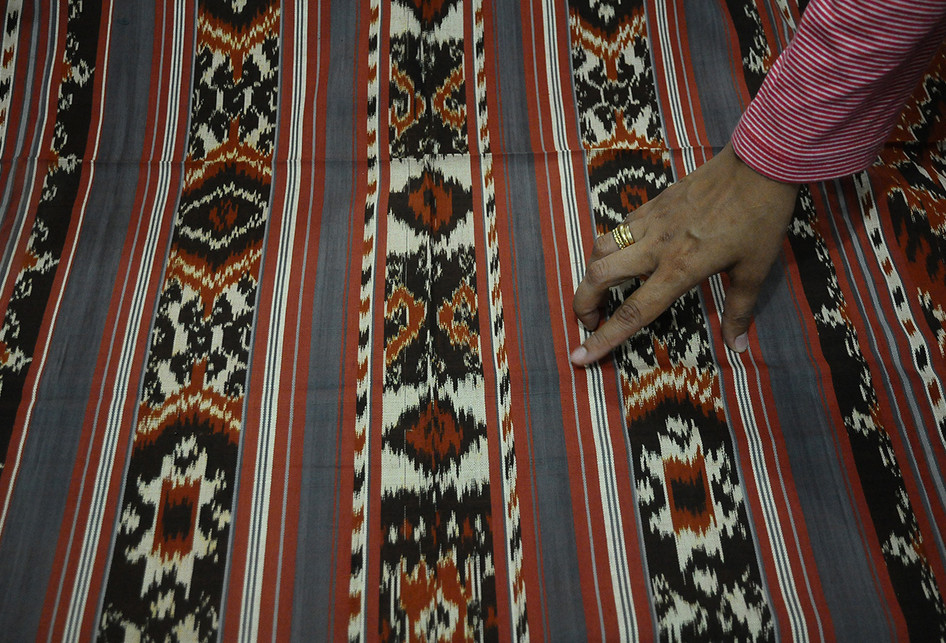
The Indonesian archipelago is often described as a living tapestry, woven together by thousands of years of history, migration, and spiritual expression. At the heart of this cultural identity lies the Ancient Weaving Traditions, a craft that transcends mere textile production to become a vessel for the nation’s soul. From the sacred Gringsing of Bali to the bold Ikat of Sumba, weaving is a language of symbols, a marker of social hierarchy, and a testament to human endurance. However, as the world moves toward a future defined by artificial intelligence and mass production, the endeavor of Keeping Ancient Weaving Traditions Alive has become one of the most significant cultural challenges of the 21st century. This struggle is not just about preserving a technique; it is about protecting a way of life that values patience, precision, and a profound connection to the natural world.
The complexity of Indonesian weaving begins with its philosophical roots, where the act of interlacing threads is often seen as a metaphor for the creation of the universe. Historically, a weaver did not simply make a garment; she performed a ritual. In many indigenous communities, the process began with the cultivation of cotton and the gathering of plants for natural dyes a process that moved in harmony with the seasons. This “slow fashion” meant that a single piece of cloth could take months or even years to complete, infused with the weaver’s prayers and ancestral wisdom. Today, the primary challenge to these Ancient Weaving Traditions is the collision between this ancient, meditative pace and the aggressive demands of the global market, which prizes speed, uniformity, and low costs above all else.
A fascinating focal point for observing this tension is Troso Village, located in the Jepara Regency of Central Java. Unlike many weaving centers that have remained isolated or strictly traditional, Troso has evolved into a dynamic industrial hub that represents both the success and the peril of modernizing ancient crafts. The history of Troso Weaving is one of remarkable adaptability. In the mid-20th century, the village primarily produced simple fabrics for local use, but by the 1970s, the artisans of Troso began to incorporate techniques from across the archipelago. By adopting the Ikat styles of Bali, Timor, and Flores, Troso transformed itself into a national center for hand-woven textiles. Yet, this very success has introduced a paradox: in order to survive commercially, the village has had to confront the dilution of the very “ancient” qualities that make weaving special.
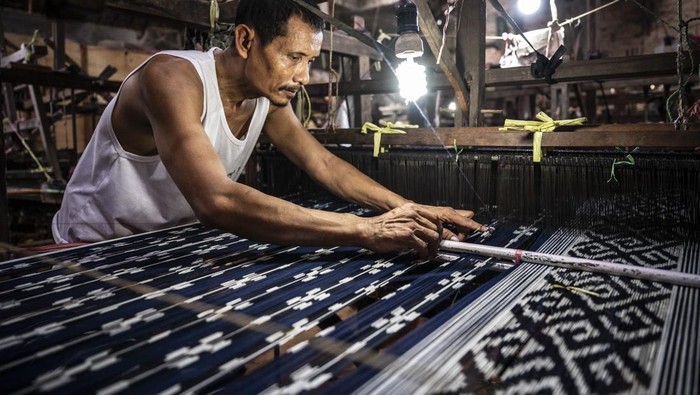
One of the most pressing challenges in Keeping Ancient Weaving Traditions Alive within the context of Troso is the environmental and technical shift in production. The traditional reliance on organic dyes derived from indigo leaves, morinda roots, and exotic barks has largely been replaced by synthetic chemical dyes. While these modern pigments allow for a vibrant array of colors and significantly faster production times, they strip the textile of its organic soul and its historical connection to the land. Furthermore, the meticulous process of hand-spinning yarn has given way to factory-processed threads. This transition, while economically necessary for the survival of the village, creates a profound rift in the continuity of the craft, as the deep botanical and material knowledge of the ancestors begins to fade into obscurity.
The economic landscape poses another formidable threat in the form of industrial “theft” and the rise of the power loom. Throughout Indonesia, and specifically affecting the markets of Troso, there is a flood of machine-printed textiles that shamelessly replicate traditional Ikat motifs. These mass-produced fabrics are sold at prices that no traditional weaver can match. For a consumer in a bustling city, the visual difference between a machine-print and a genuine hand-woven Ikat from Troso may seem negligible, but the structural and spiritual difference is total. This lack of consumer literacy undermines the value of the Alat Tenun Bukan Mesin (ATBM) or non-machine weaving tools. When the market fails to distinguish between an artisanal masterpiece and a factory copy, the economic incentive for young people to learn the grueling craft of weaving vanishes.
This leads to the most critical bottleneck in the preservation of weaving: the crisis of generational succession. Research into the demographics of weavers in Jepara reveals a sobering trend. The majority of master weavers are now in their twilight years, while the younger generation is increasingly migrating toward urban centers or seeking employment in the furniture and manufacturing sectors. The labor-intensive nature of weaving, which requires sitting for hours in a fixed position and exercising extreme mental focus, is often seen as “old-fashioned” and unrewarding compared to the perceived prestige of a modern office or factory job. Without a dedicated effort to rebrand weaving as a prestigious, creative, and viable profession, the chain of knowledge that has been passed down for centuries may break within the next two decades.
Moreover, the challenge of Keeping Ancient Weaving Traditions Alive is compounded by the issue of intellectual property. Troso is famous for its “homage” weaving creating textiles that look like they come from Sumba or Toraja. While this has allowed the village to thrive as a versatile supplier, it complicates the definition of cultural heritage. It raises difficult questions about who “owns” a motif and whether the commercialization of a sacred pattern by another community diminishes its original power. To protect these traditions, Indonesia has begun to explore Geographical Indications and copyright protections for traditional designs, but the enforcement of such laws in a vast, informal economy remains a daunting task.
The path forward for Ancient WeavingTraditions requires a delicate balance between preservation and innovation. The success of Troso Village suggests that tradition must be “living” to survive; it must find a place in the modern wardrobe and the contemporary home. This means diversifying products turning woven fabrics into high-end fashion, interior upholstery, and even digital-age accessories while maintaining the integrity of the hand-woven process. It also requires a movement toward “radical transparency,” where artisans use digital storytelling to show the world exactly how much effort goes into every centimeter of cloth. When a buyer sees the calloused hands of a Troso weaver and understands the complex geometry of the tie-dye process, the price of the textile is no longer seen as an expense, but as an investment in human heritage.
In conclusion, the survival of Ancient Weaving Traditions is not a foregone conclusion. It is a daily battle fought by the artisans of places like Troso Village against the tide of mechanical homogenization. Keeping these traditions alive is a collective responsibility that involves the government, the artisans, and, most importantly, the global consumer. We must recognize that every time we choose an authentic hand-woven textile over a mass-produced imitation, we are casting a vote for a world that still values the human touch. The looms of Troso must continue to clack, not just as a relic of the past, but as a vibrant, breathing part of Indonesia’s future. Only by honoring the slow, difficult, and beautiful process of weaving can we ensure that the threads of our history do not unravel in the face of the modern age.
- The Magic of Indigo Blue Weaving: Natural Harmony and the Sharp Intuition of Artisans
- How to set a table with ikat woven table runner: A Comprehensive Guide to Styling Your Space with a Traditional Ikat Woven Table Runner
- Black Blouse for Women: The New Elegance Style Suit for Muslims
- Handmade Makeup Pouch from Woven Fabric: A Stylish, Sustainable Home for Your Beauty Essentials
- Sustainable Fashion Through Zero Waste Craftsmanship : How Kainratu Redefines